De Tuinbank
Rotterdam, NL
Year | 2017
Type | Tactical urbanism
Phase | Built
Size | 3 m2
Category | Design, Fabrication, Gardening
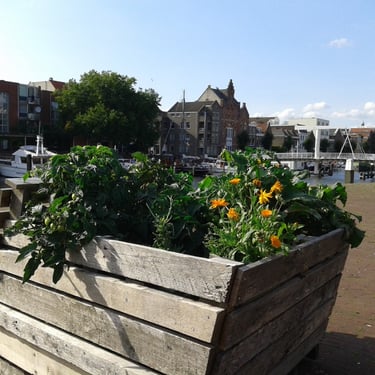
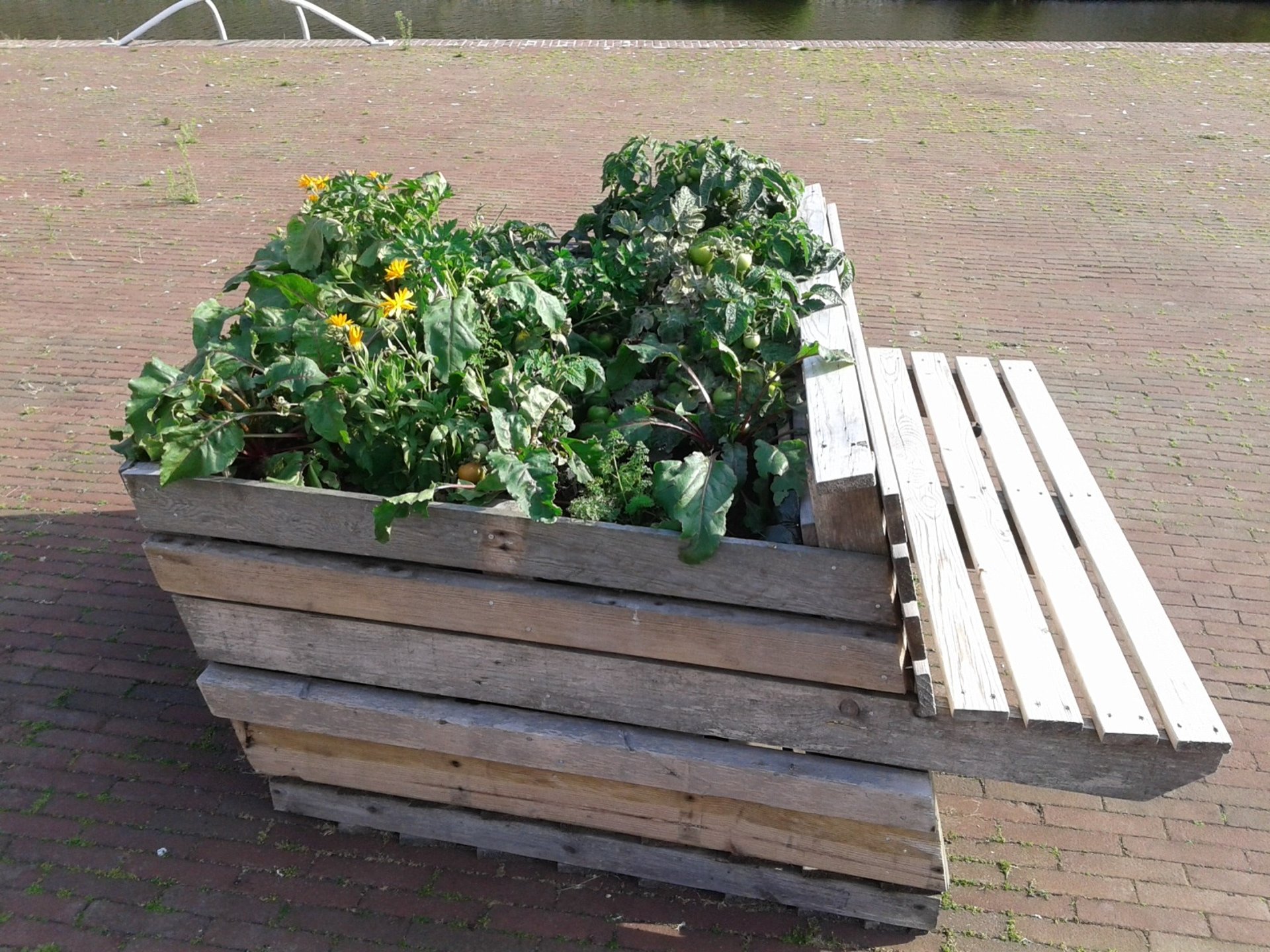
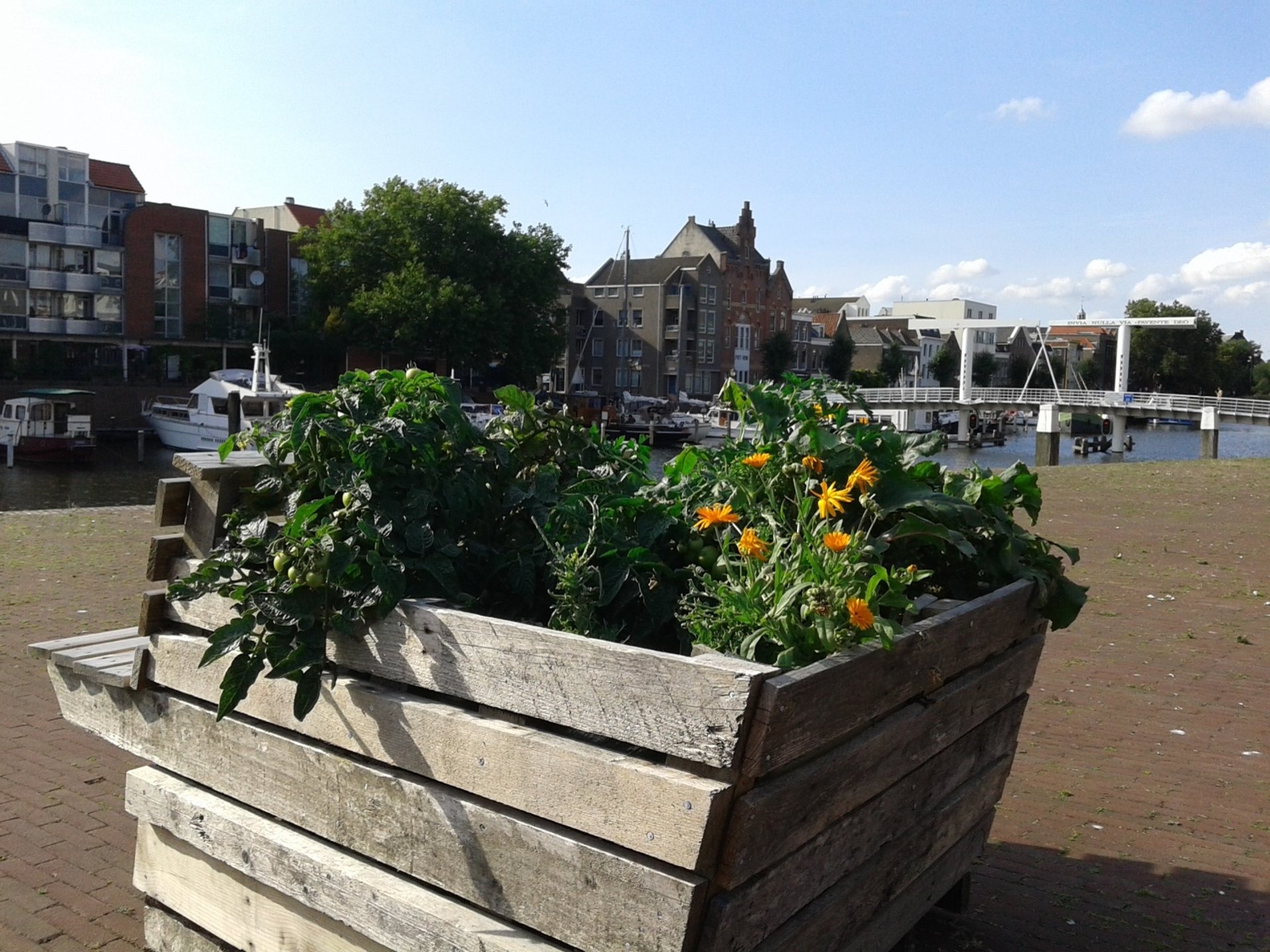
The TuinBank is a vegetable garden and a bench. It is a guerrilla-gardening/tactical-urbanism installation that appropriates public space to grow vegetables for private consumption, while giving back a place to sit and enjoy the view.
The Context:
Can private interest do good to public space?
This project is born from the straightforward desire to grow vegetables, without having a place to do so.
This simple wish shows a growing need for urban dwellers to connect with the land and food sources, in places where the availability of land is limited.
This question became the to test whether the appropriation of public land for a private interest could also provide additional benefits for the public good.
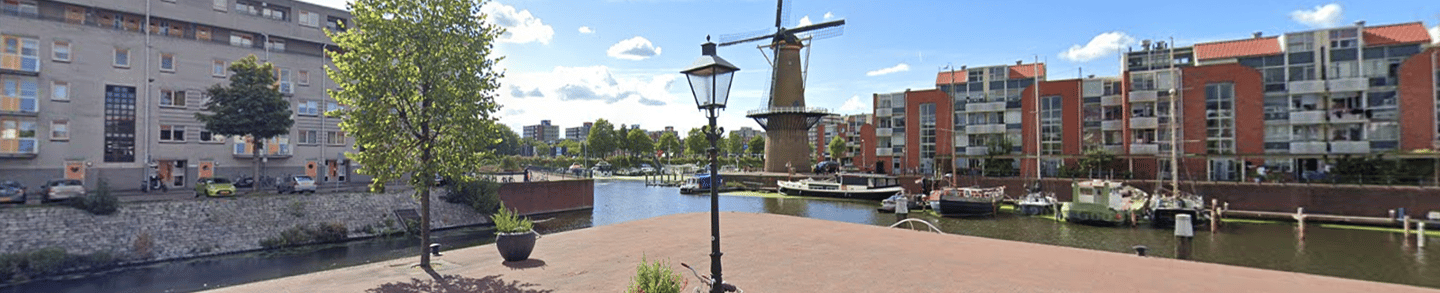
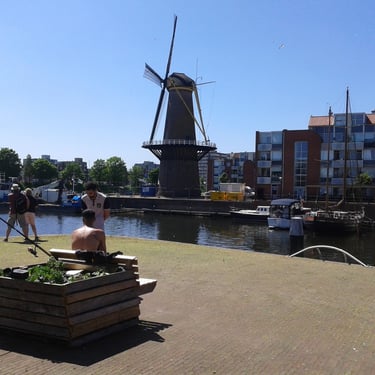
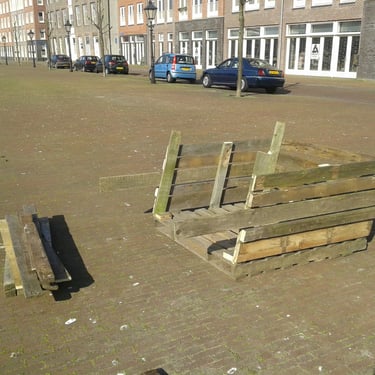
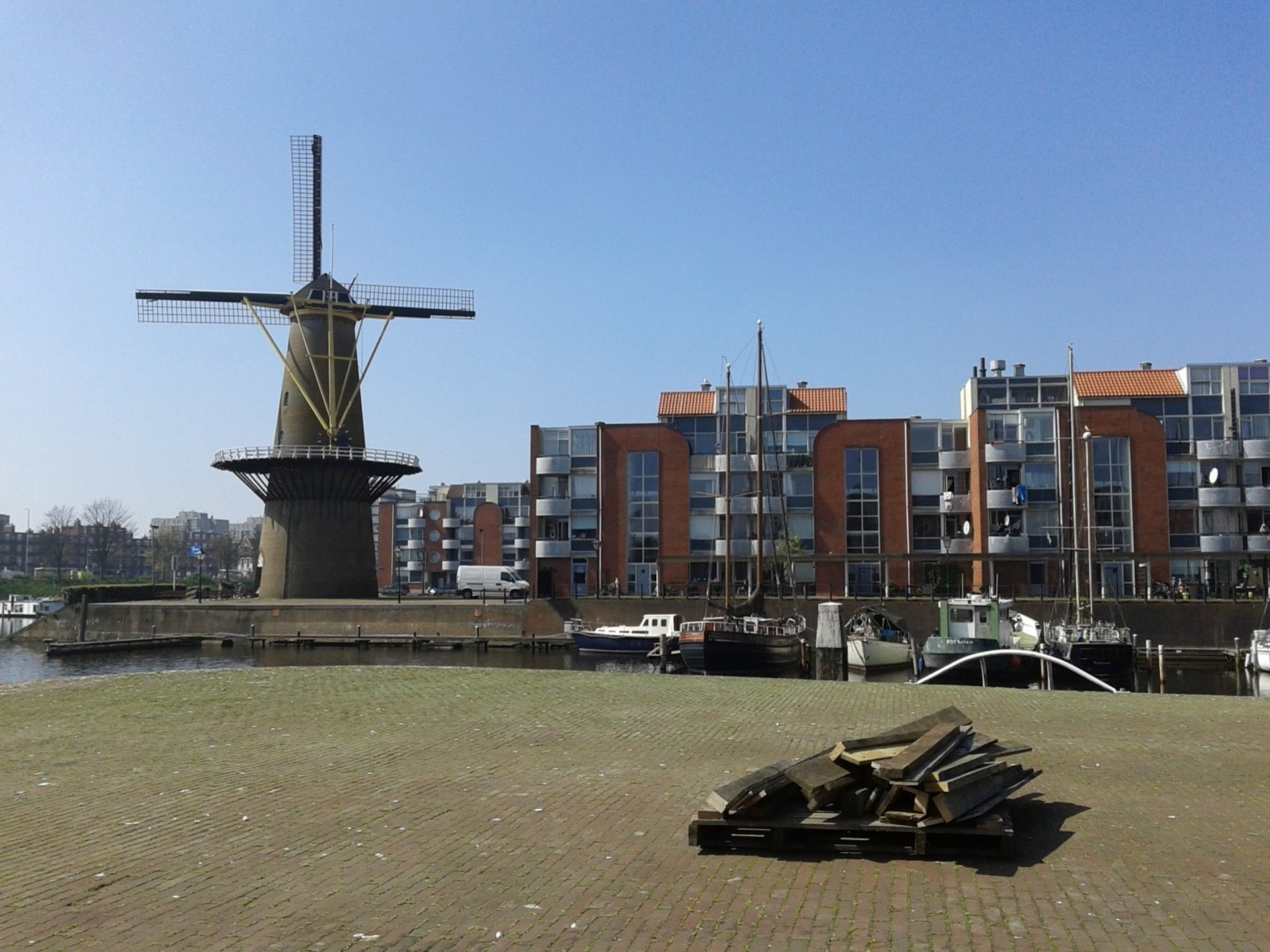
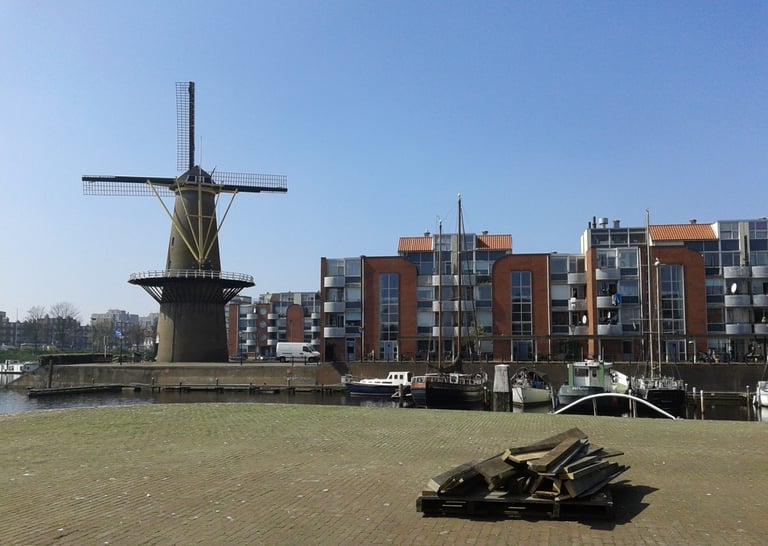
Opposite to the Delfshaven windmill, was a paved and empty quay that looked like the perfect place to test the installation.
The site:
Full sun, the canal, a windmill.
The view was stunning, yet no one could stop to enjoy it.
Without an official approval for the project, the garden had to show its added value from the very beginning of its creation. The neighbors had to understand that the place was better with this installation, and that the private interest brought more value than what it was taking.
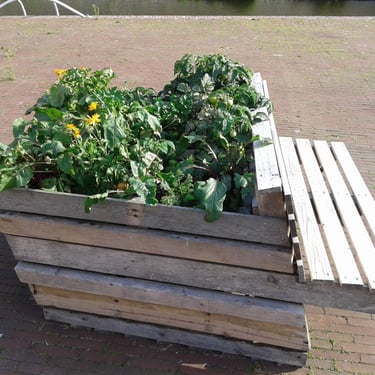
The tilt of the bench back inspired the trapezoidal shape for the garden, adding playfulness and informality.
The design:
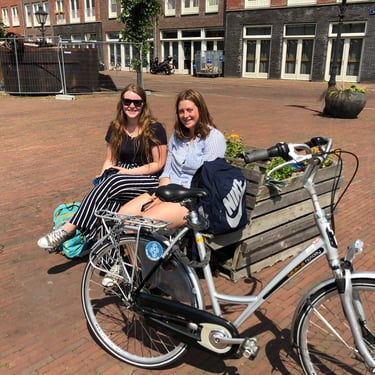
From the day I started construction, I was approached and encouraged from neighbors. Erwin offered his help and powerdrill to finish construction, and later drove me to the Home improvement store to buy soil. Fisherman started using the spot during sunny days, and tourists found a nice place to rest while exploring the city.
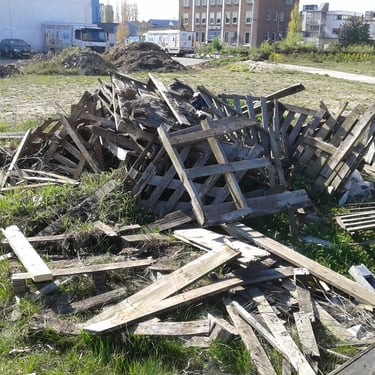
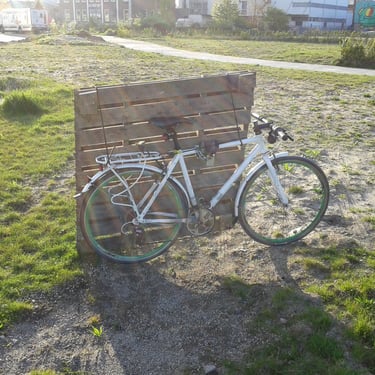
The material for construction was claimed from a pile of discarded pallets and an IKEA bed found not too far away, transported by bicycle, and assembled on site.
The planting scheme was based on 2 concepts: root vegetables and companion planting.
Root vegetables were chosen because they grow underground, far from indiscreet eyes, therefore less susceptible to being picked by passer-bys. Additionally, plants were placed next to other plants where they could benefit each other.
The simple idea was to create a raised bed, that combined a bench for people to rest and enjoy the view.