Giardino Alpino
Sestrieres, IT
Year | 2022
Type | Garden design
Phase | Completed
Size | 1000m2
Categories | Design, Fabrication, Gardening
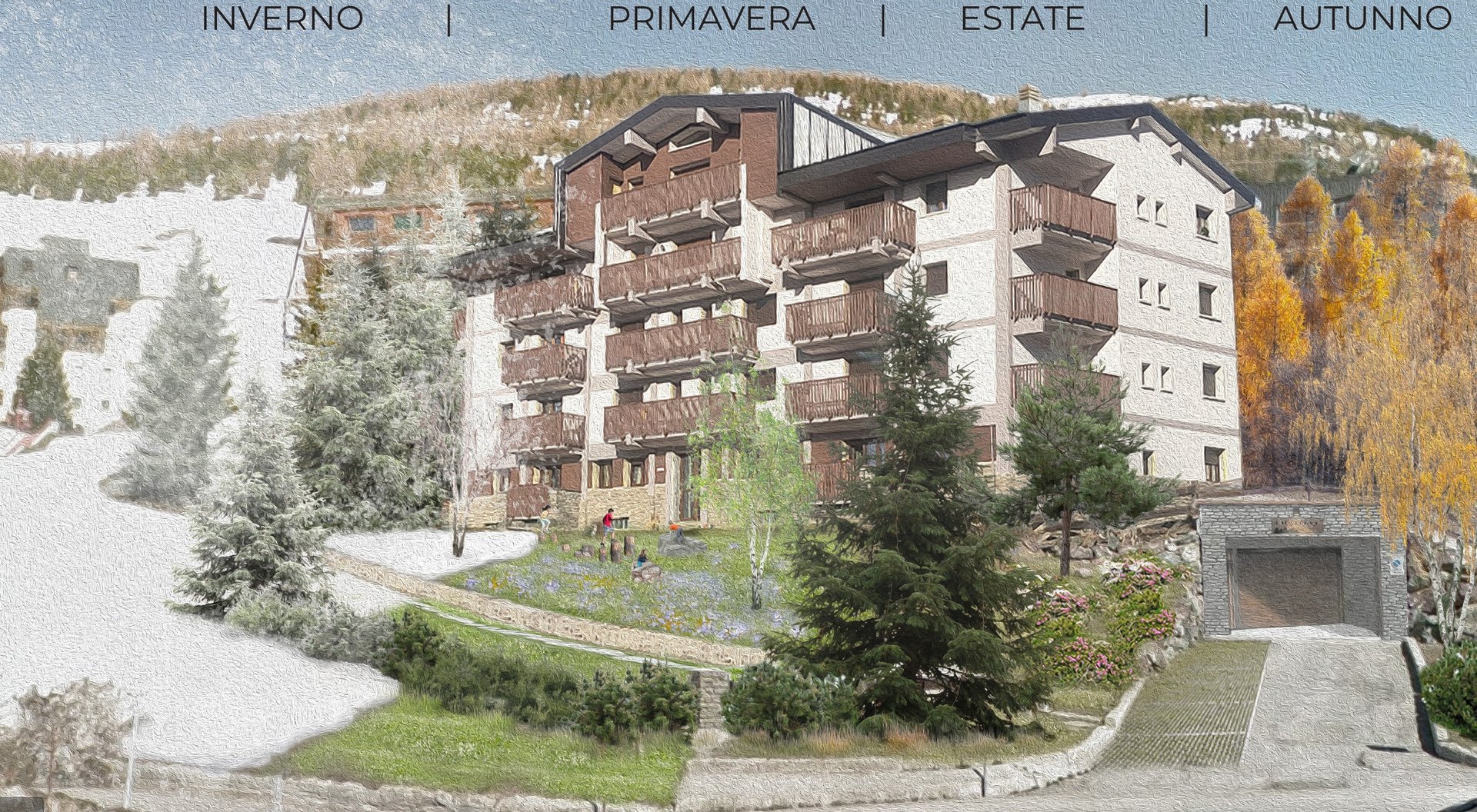
The project proposes a garden at 2000 m which is enjoyable and rich in biodiversity in all seasons. Full with edible plants that can be enjoyed by children and birds alike.
The Context:
The project takes place in a mountainous setting, in Sestrieres, a ski resort at 2000m. The town is heavily reliant on winter tourism, and the outdoor spaces, like this garden, reflect this bias. Heavy snows used to cover the grounds for half the year and tourism season, and little thought was given to its appearance throughout the year.
With the growing effects of climate change,
rising temperatures are causing shorter winters and less snowfall. The outdoors spaces, thus, will appear more barren in winter, unless we start designing and planting them now.
Another effect of higher temperatures is a shift in tourism towards the other seasons, especially in summer when people are trying to escape the heat of the city. It is therefore important that the outdoors spaces are welcoming in all seasons.
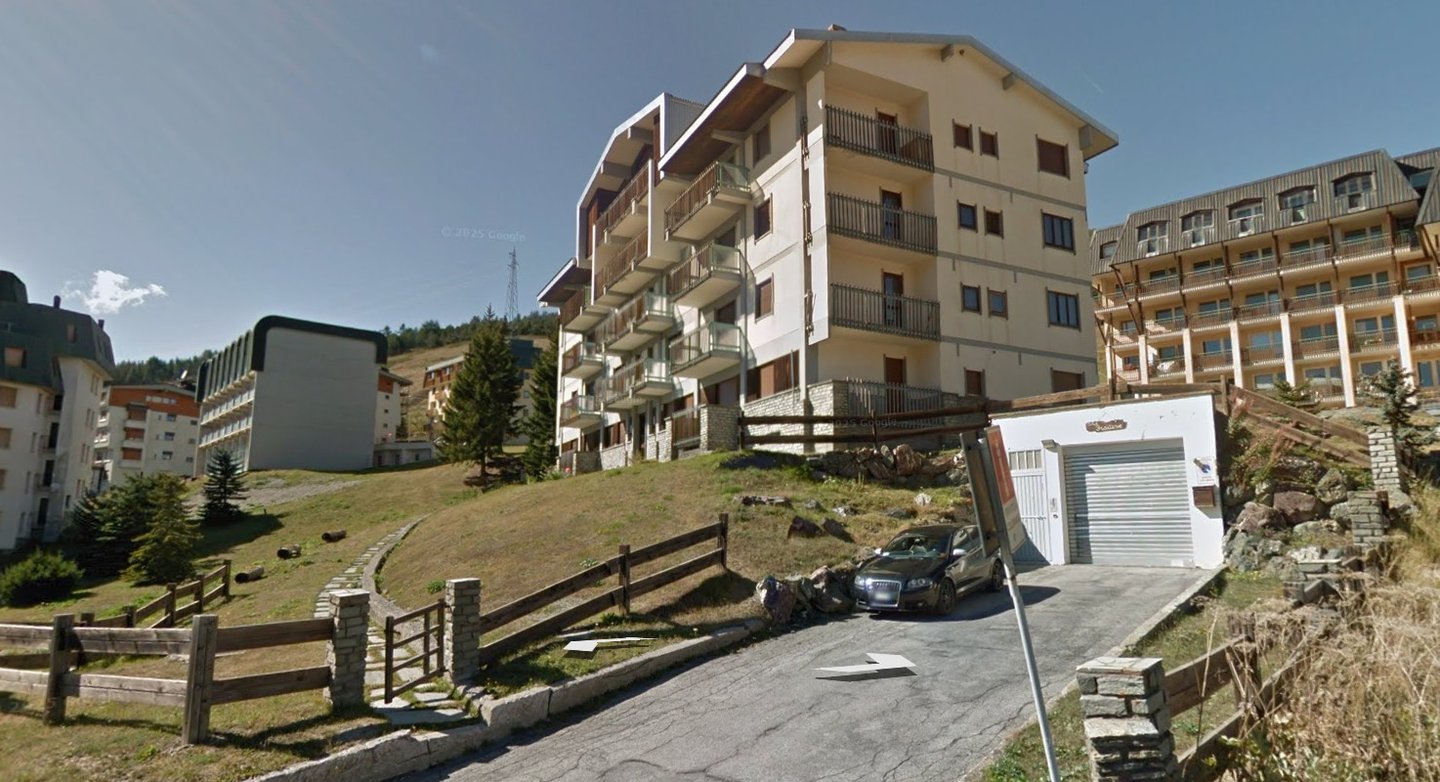
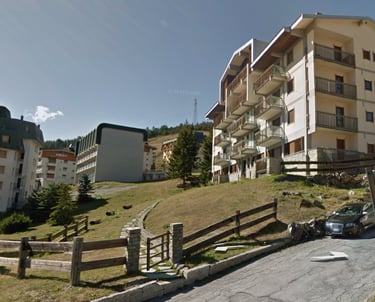
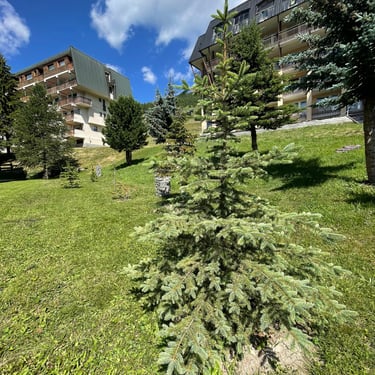
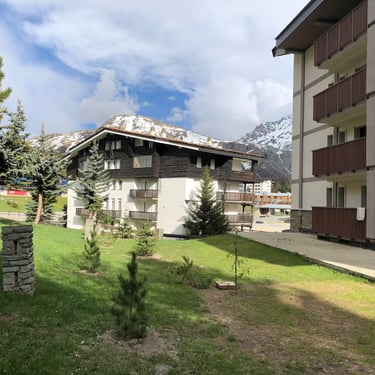
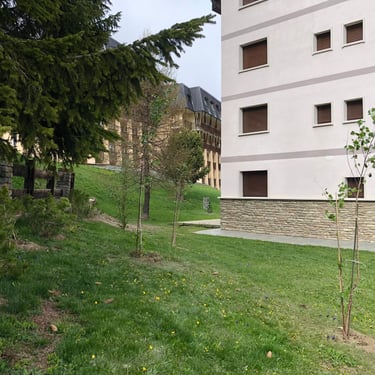
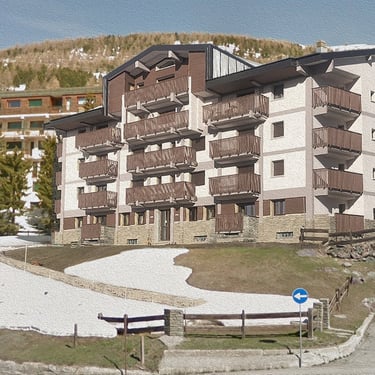
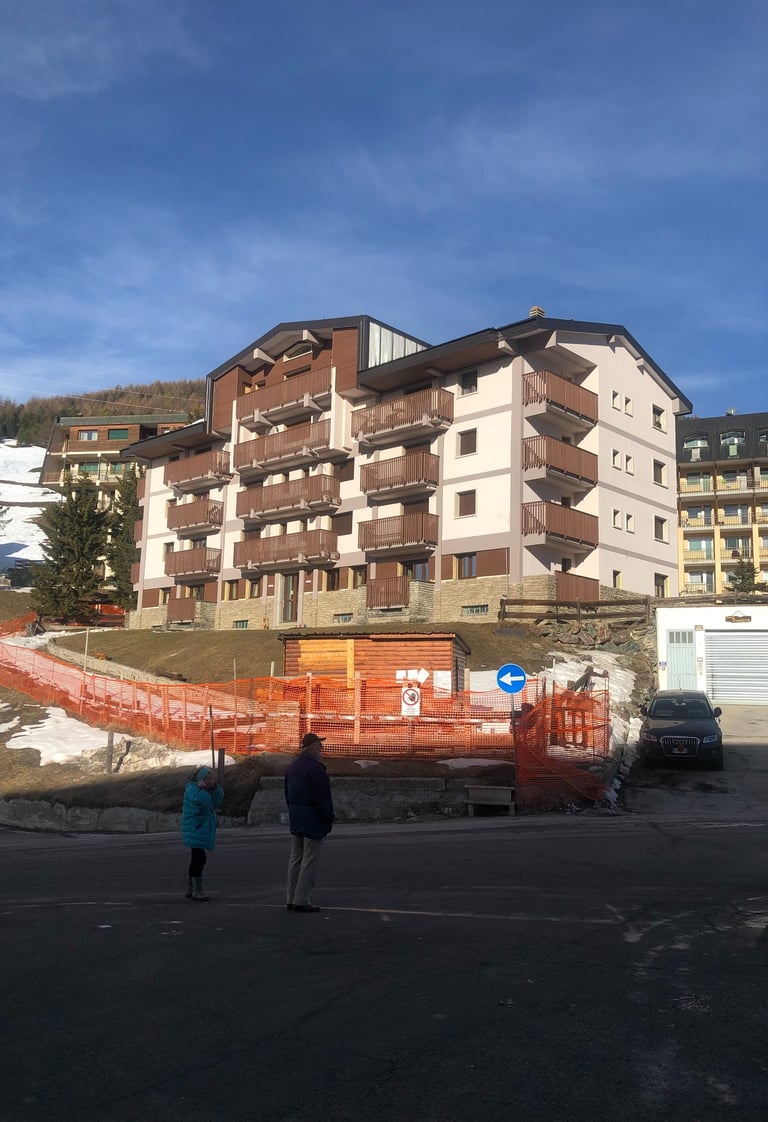
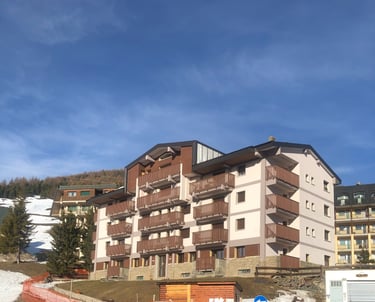
The garden surrounds the condominium on all sides. The fron area is south-facing and is actively used by the residents. In contrast, the back portion of the garden is underutilized and lacks a clear identity or purpose. The Back is also surrounded by other buildings and the only filtering is provided by trees planted on the neighbor's properties. There is only one tree in the entire garden.
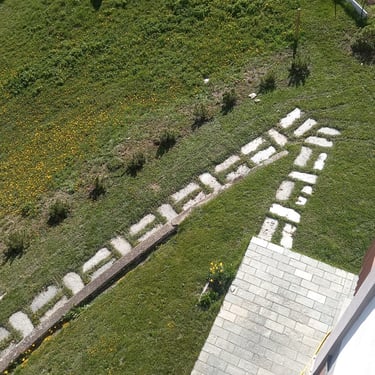
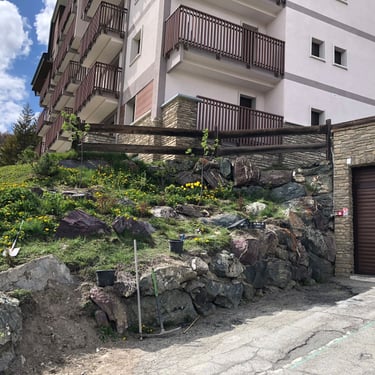
The garage entrance is used daily as the dominant entrance to the building, but is is articulated as a functional vehicular access. The stone footpath leading to the main entrance, is instead used as a shortcut from neighbours who cut through the private property and often leave dog droppings behind.
The garden is rarely visited by birds, pollinators, or other wildlife, as there is very little food or shelter provided.
The site:
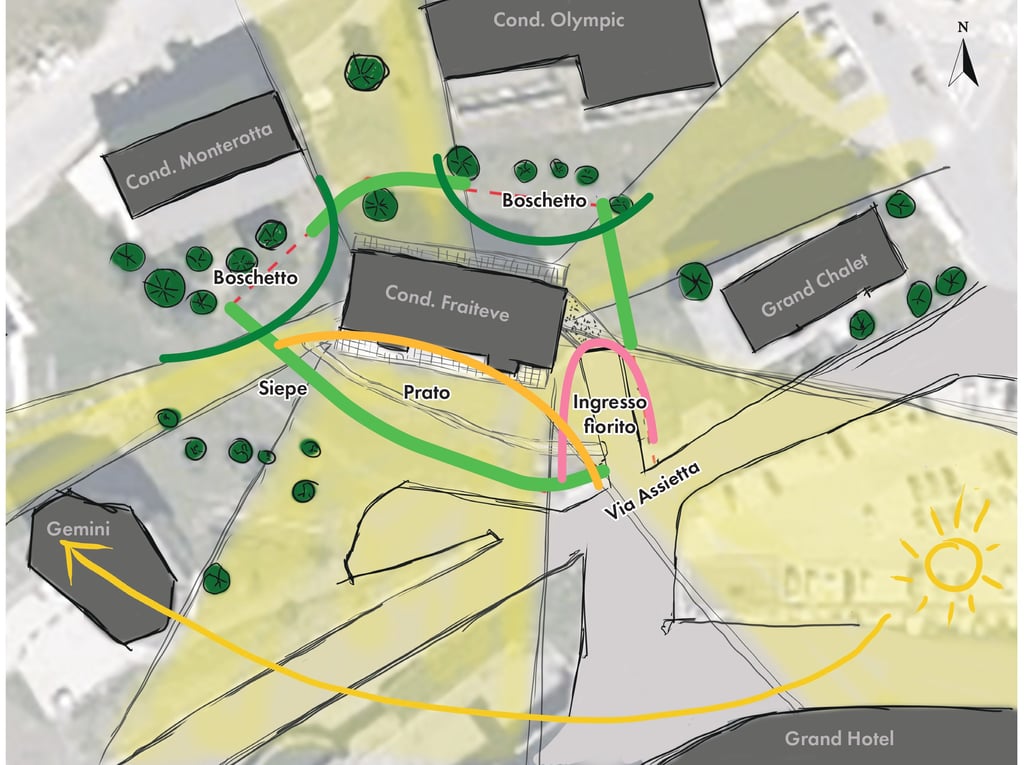
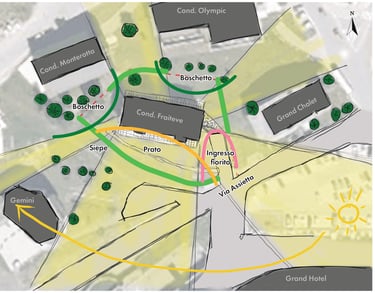
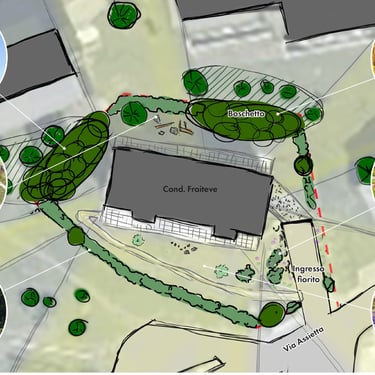
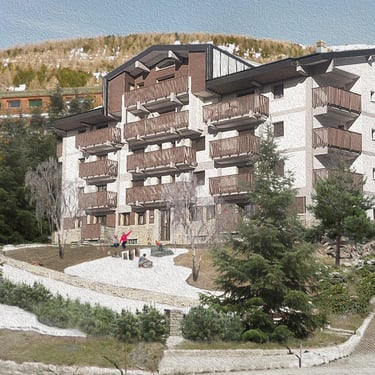
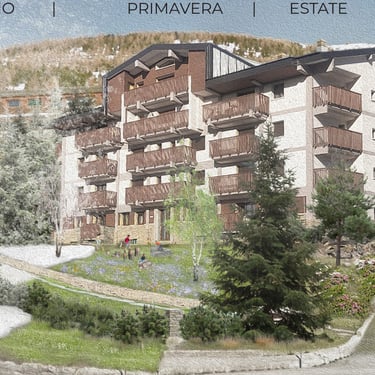
The proposed project envisions a transformation of the garden into a balanced, welcoming, and ecological space. It builds upon the existing layout while introducing new elements that respond to both environmental and social needs.
The sunny front lawn will be preserved as an open, accessible area for leisure and social use. Along the footpath, a hedge composed of mountain pine (Pinus mugo) and juniper (Juniperus) will clearly define the property boundary and prevent the garden from being used as a pedestrian shortcut by outsiders.
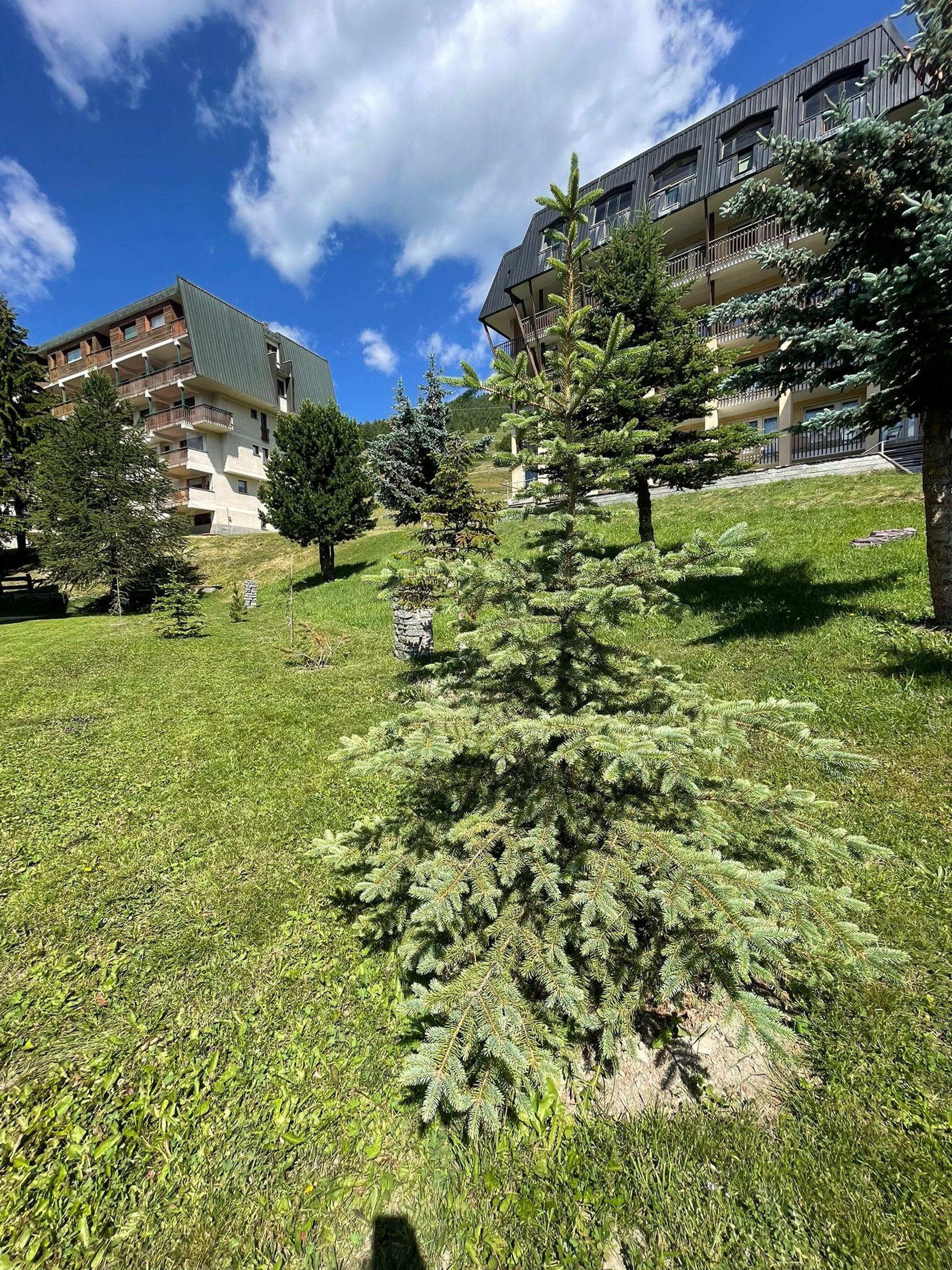
In the rear part of the garden, two small woodland clusters will be introduced. These will complement existing trees planted in neighboring gardens, increasing tree coverage, enhancing visual privacy, and promoting biodiversity.
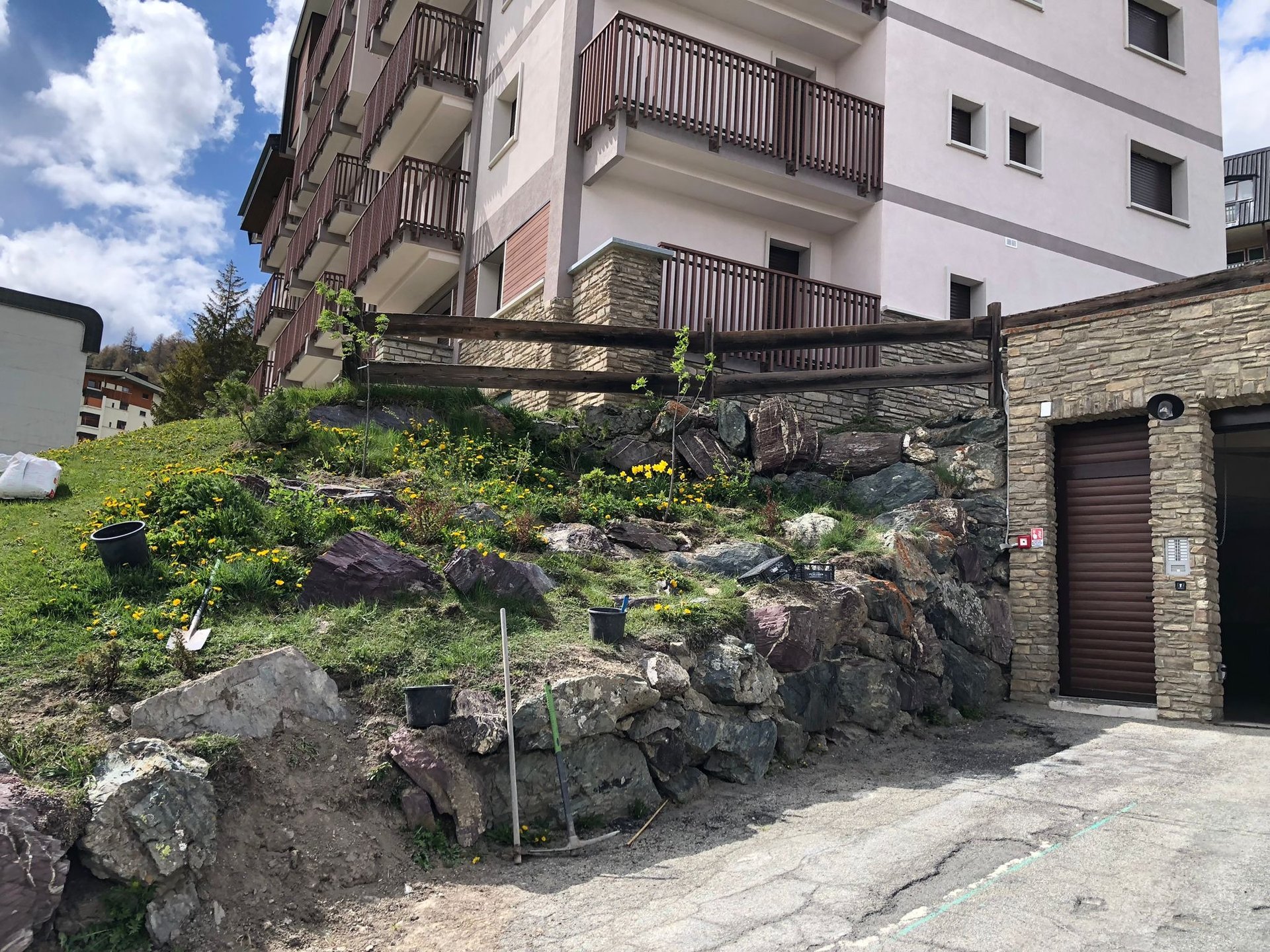
The garage entrance will be redesigned as a floral welcome area, featuring seasonal flowers, flowering shrubs around the existing rocks to reflect a more authentic mountain identity and create an immediate sense of place.
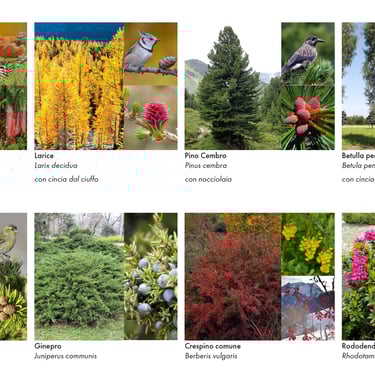
All species species are native or locally adapted, naturally growing in the surrounding alpine region. This ensures resilience to the extreme climate, low maintenance requirements, and long-term sustainability. Many of the plants were sourced from a forestry mountain nursery, to ensure plants are already adapted to the climate, and not shipped from far away.
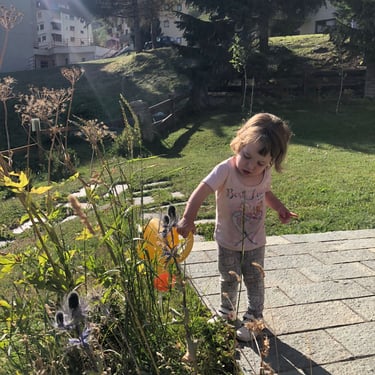
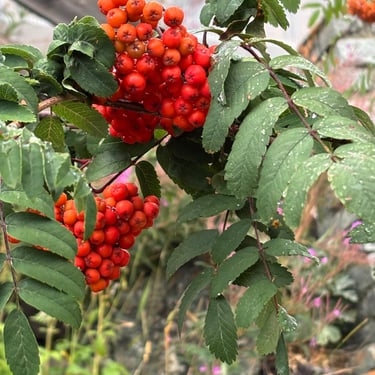
Special care is taken to include plants with ecological value—such as those that support birds and pollinators—as well as those with culinary interest, making the garden both functional and meaningful.
Finally, the design emphasizes seasonal diversity through a mix of evergreens and species that offer flowers, fruits, or autumn colors, ensuring that the garden remains visually and sensorially engaging throughout the year. In this way, the outdoor space becomes dynamic, inviting, and deeply rooted in the local mountain landscape.
The design: