DakPark Grazing
Rotterdam, NL
Year | 2017-2022
Type | Land Management
Phase | Completed
Size | 1800m2
Responsibilities | Grazing planning and management, Volunteer coordination, Biological monitoring, Communication
The Dakpark Grazing program is a pilot project to understand the impact of Intensive Rotation Grazing with sheep on urban biodiversity.
The Context:
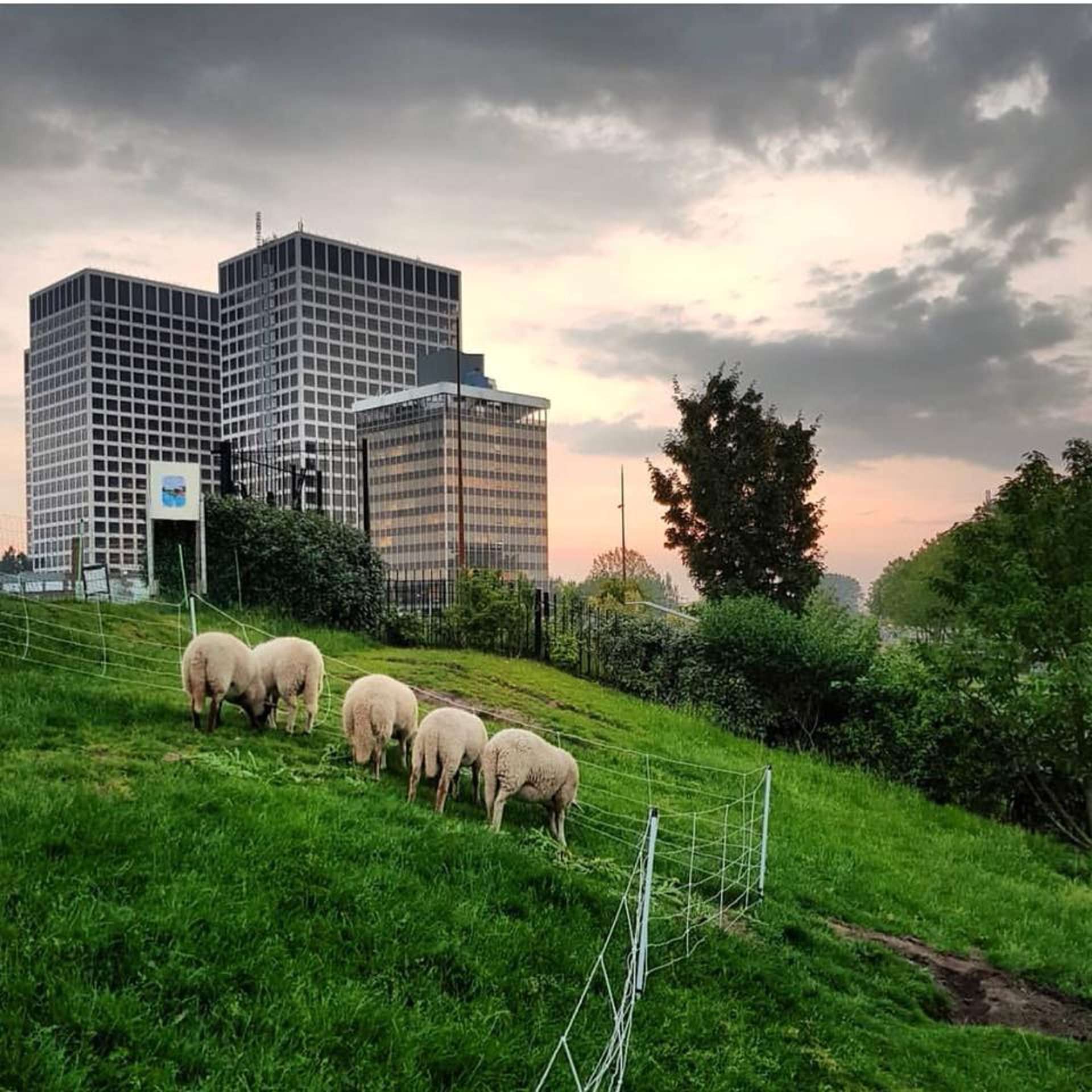
Urbanization is rapidly transforming landscapes, leading to the fragmentation of natural habitats, declining biodiversity, and the degradation of soil and ecosystem functions. Green spaces in cities, though increasingly vital, are often managed with conventional methods that prioritize appearance over ecological health and resilience.
At the same time, climate change is intensifying pressures, making the need for sustainable, low-impact, and multifunctional green space management more urgent than ever. Despite this, a persistent divide between rural and urban spheres has limited the transfer of ecological knowledge and land stewardship practices into city settings.
There is a growing need to rethink how urban green spaces are designed and maintained—not only to restore ecological value, but also to bridge cultural gaps between the urban and rural world, creating spaces that are alive, adaptive, and integrated into broader environmental goals
Following Holistic Management practices, intensive grazing followed by long periods of rest, increases plant diversity and insect population.
The grazed pasture is the only section of the Dakpark consistently visited by grasshoppers and common pipistrelle.
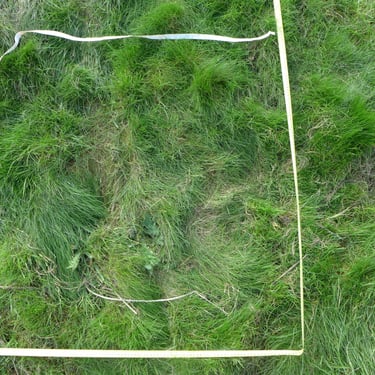
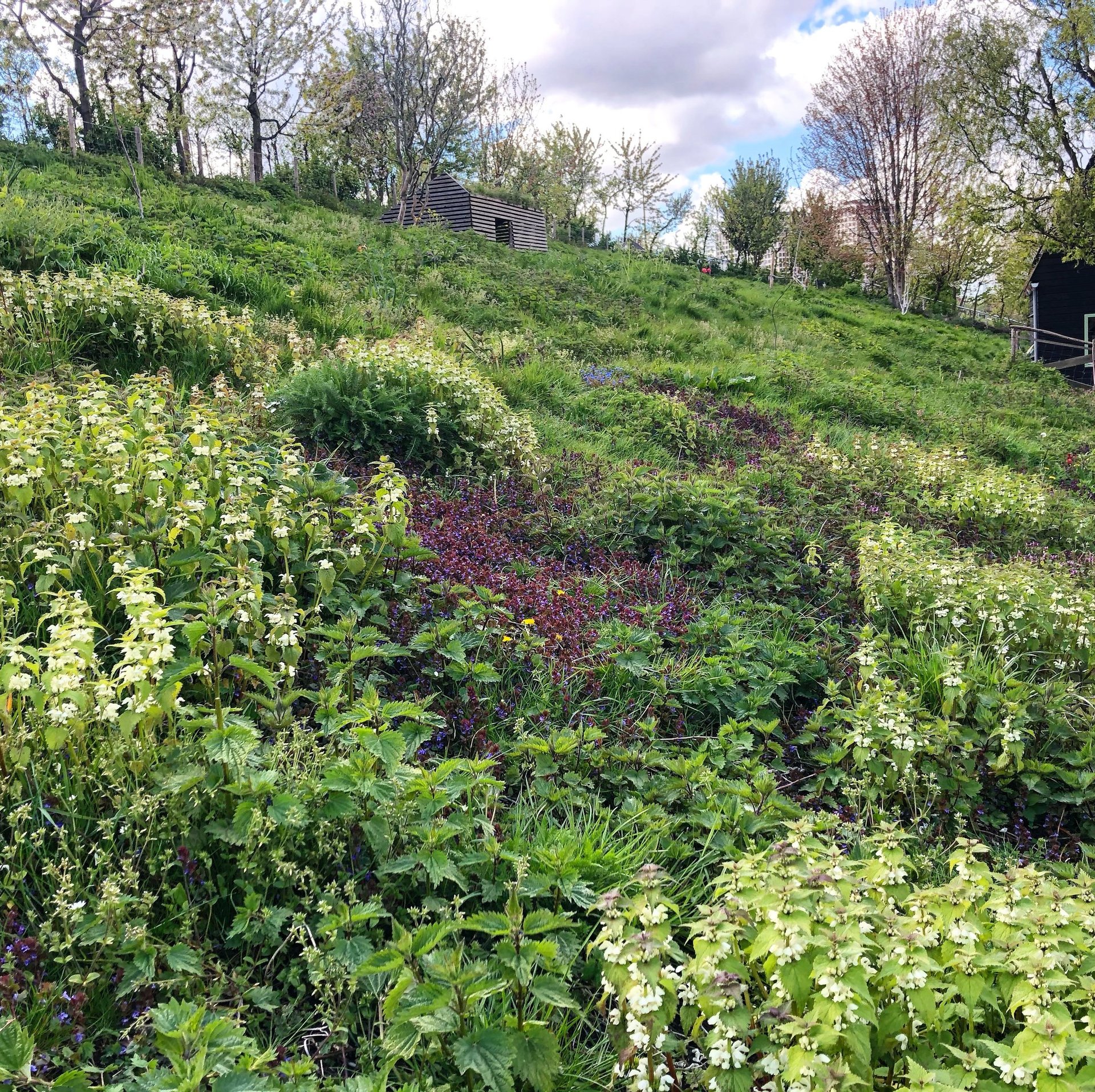
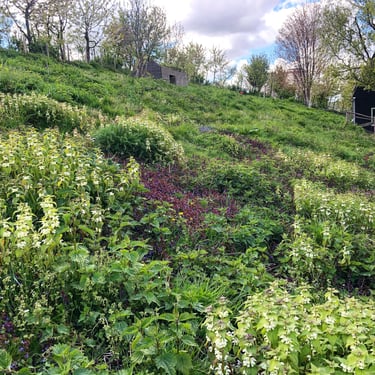
The pasture on it's first year of Rotational Grazing:
Sheep had been continuously grazing the area in the 6 months of the growing season for 2 years.
Species diversity is low, with expanding patches of thistles. Trees have to be protected from overbrowsing.
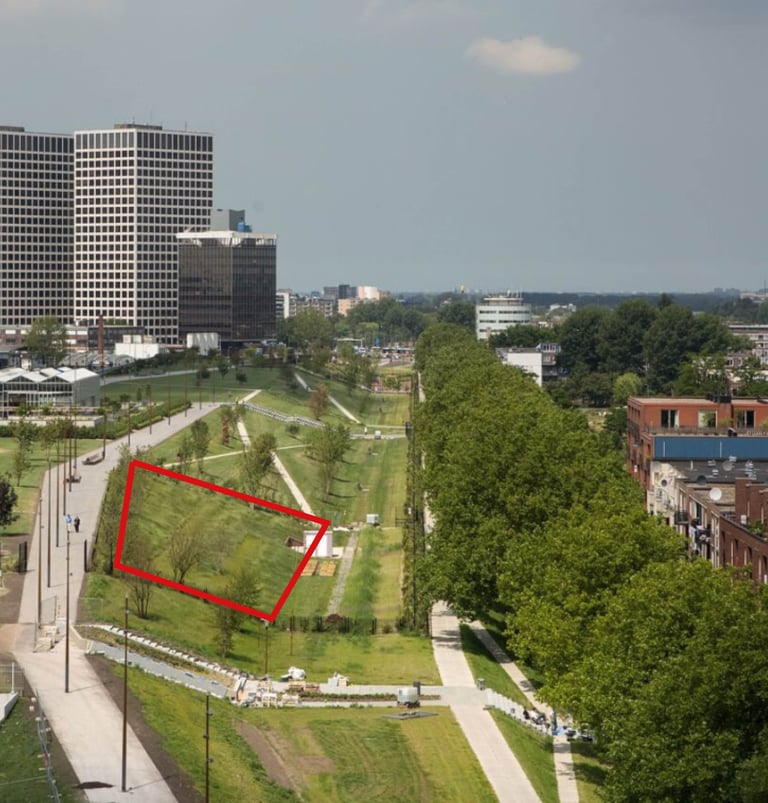
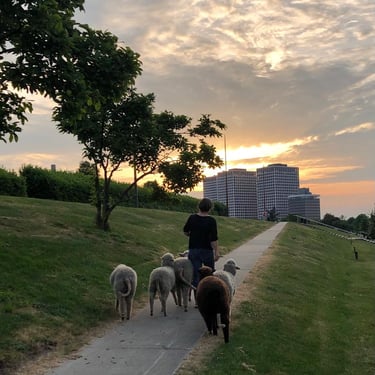
The DakPark, measure more than 1km long, is the biggest green roof in Europe. Within the park, volunteers run community garden with allotments, a gathering space, and a small pasture on an slope. Here a small flock of sheep had been grazing for 2 2 summer seasons. The plant community was predominantly dominated by seeded cool season grasses (Festuca ovina, Poa pratensis) and growing patches of thistles.
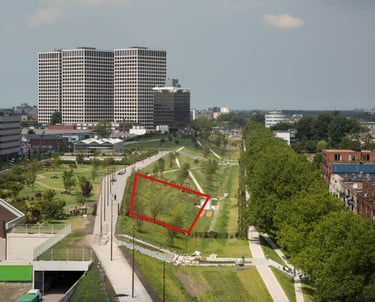
The site:
After having worked on a massive ranch in Montana, this was the perfect setting to test intensive rotational grazing on the smallest possible scale, and it's effects on production and biodiversity.
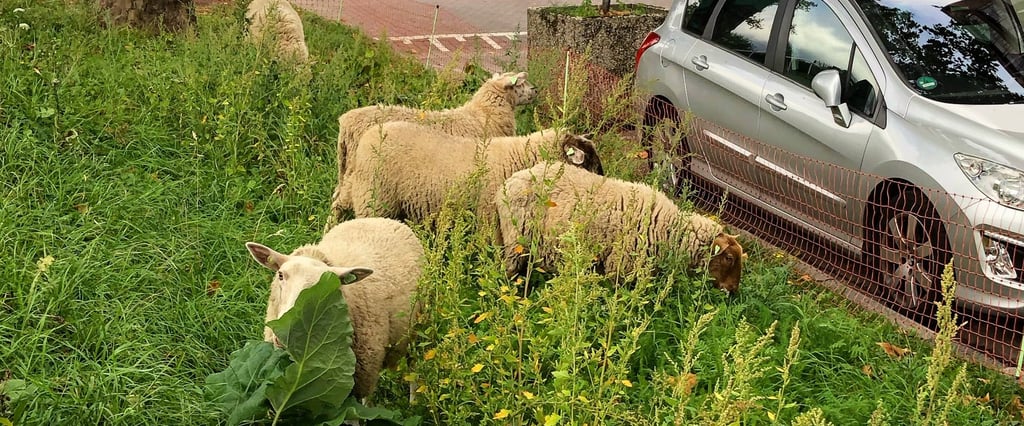
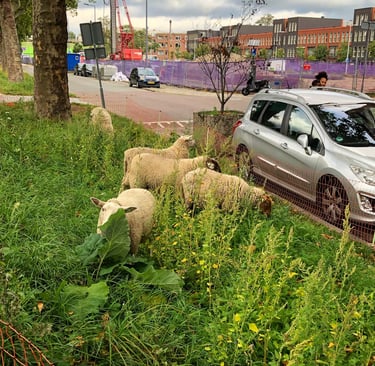
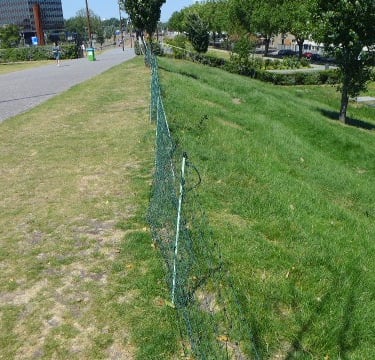
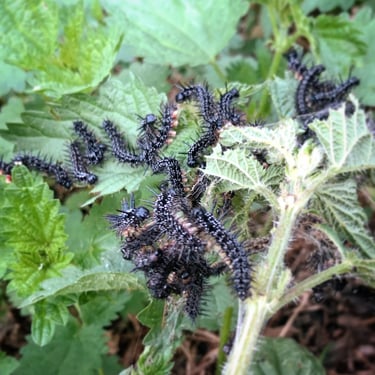
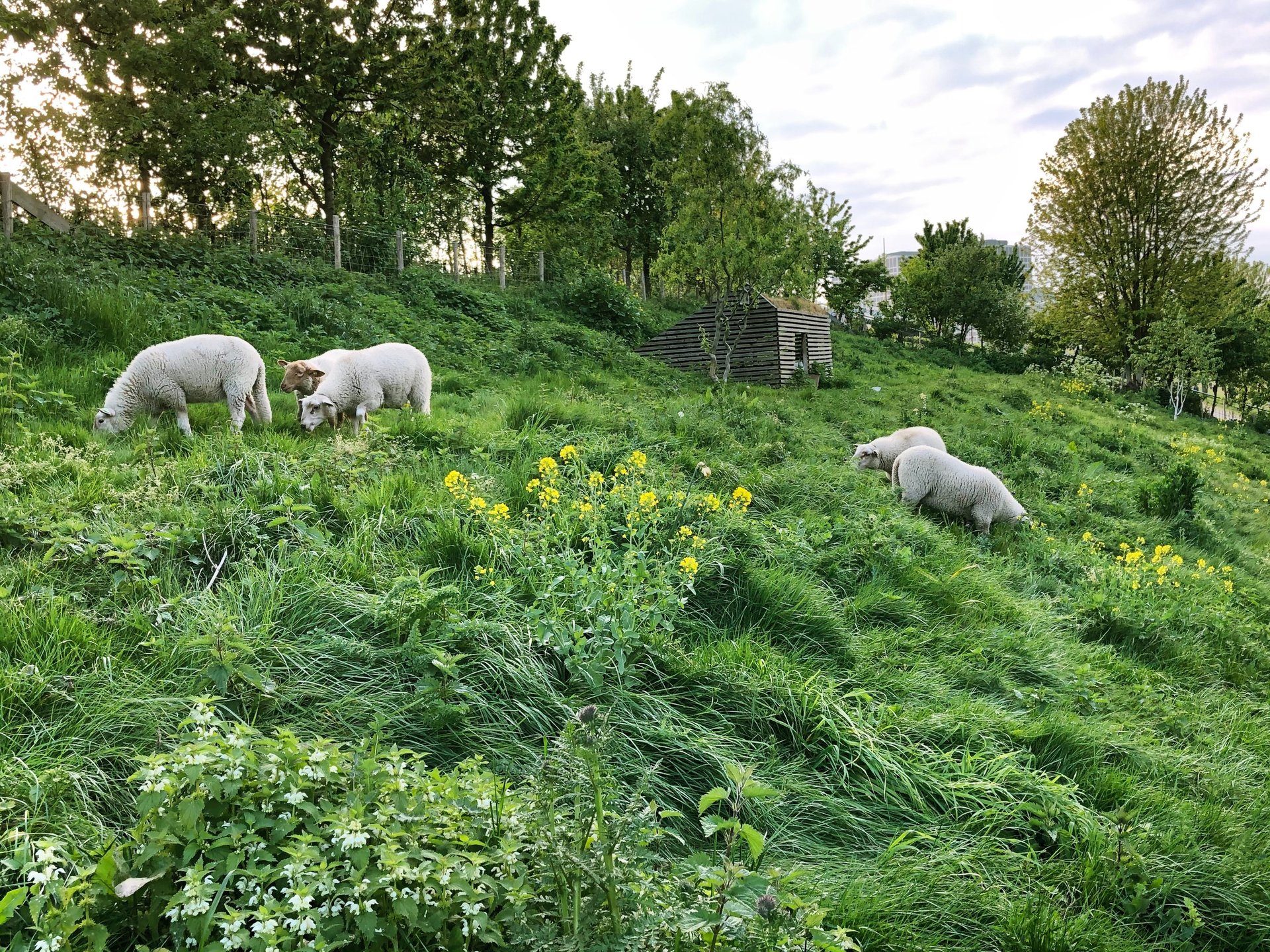
As the head shepherd, I changed the management of the pasture from continuous grazing, to intensive rotation. The sheep were confined to smaller temporary paddocks, rotated every 1-2 days. This ensured that also less palatable species, including thistles and nettles were grazed and nibbled. At the same time, extended rest periods, allowed desirable grasses and forbs to re-grow and re-establish their root system.
The management:
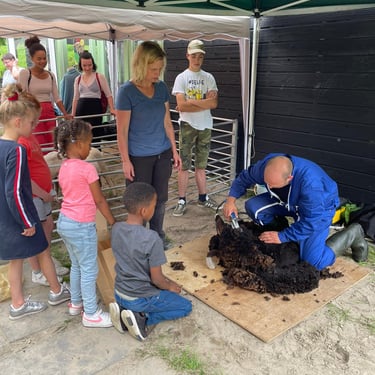
A fundamental aspect of the program is the involvement of urban volunteers in sheep grazing within city environments. This initiative bridges the urban–rural divide by offering direct interaction with livestock and exposing participants to processes of meat production and wool harvesting, reconnecting urban life with agricultural systems.
Managing livestock in an urban setting, also means being under the constant observation of many people. This also means, that if any "accident" happens you might suddenly become a viral TikTok video
Originally, paddocks were only big enough for the sheep to graze 1 day. Being a small number of animals, the paddocks were small and the concerned neighbors complained the animals were too restricted. Listening to their concern, the paddocks were increased in size, and grazed for more days. Eventually we opted for strip-grazing, moving the fences only enough for 1 day of feed, and still allowing more space for the sheep on just grazed grass.
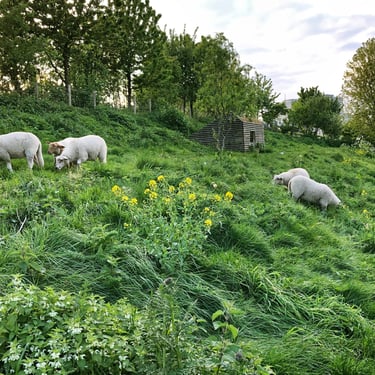
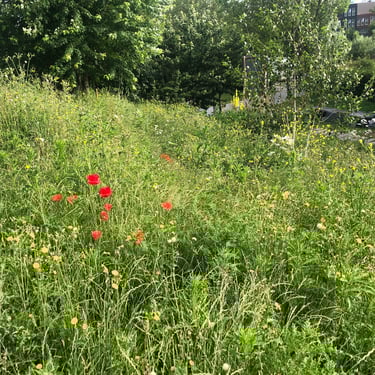
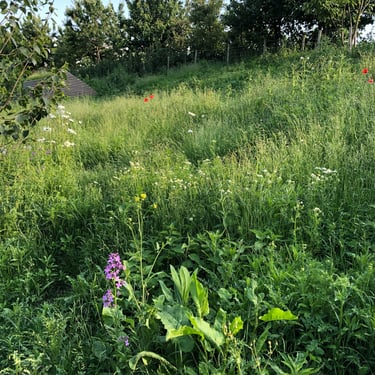
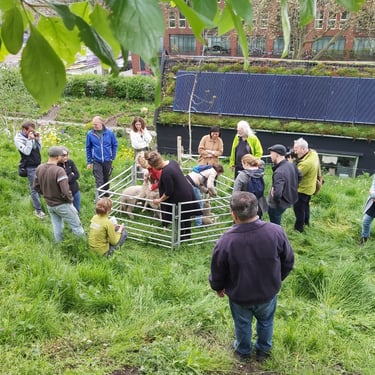
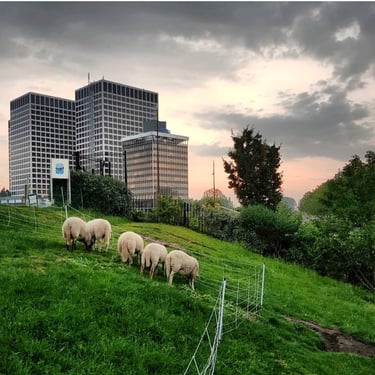
Working with such a small scale project gave the opportunity to carefully monitor and observe, not only the progress of the pasture, but also the plants and animals that started calling the pasture their home over the years.
The scale of the project allowed to easily adjust the plan based on conditions and observations.
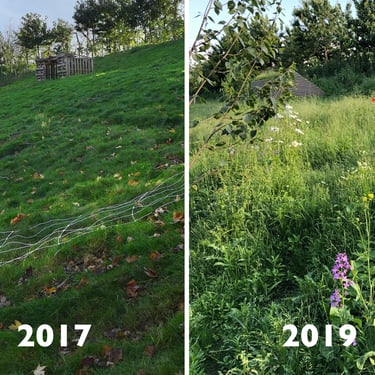
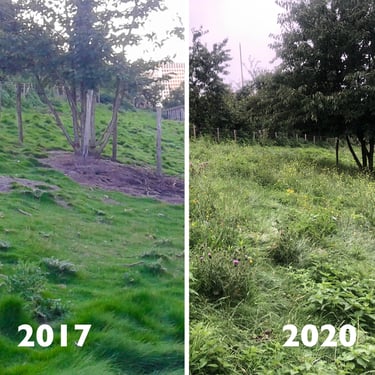
In just a few years the results were outstanding:
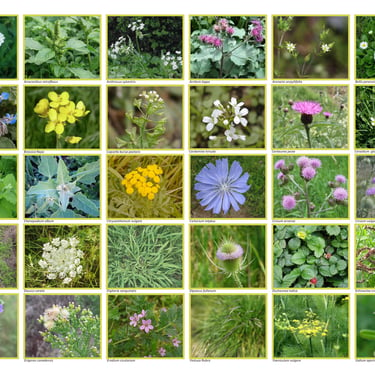
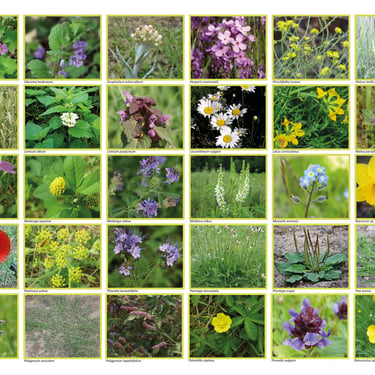
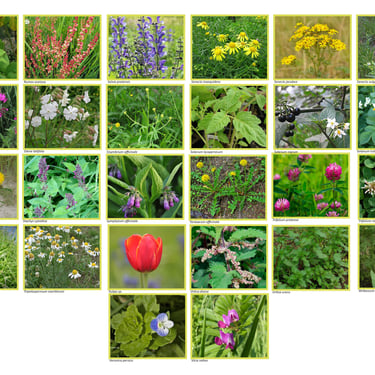
From ~20 plant species to 85+
Better resilience to drought;
Better ground cover;
Reduced damage from rabbits;
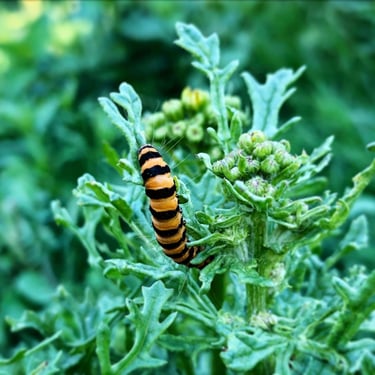
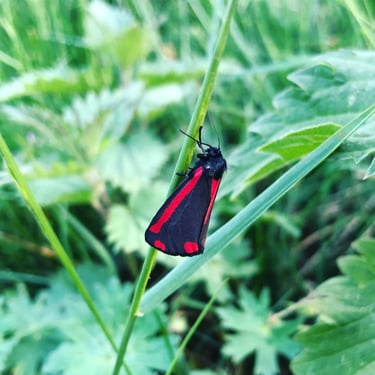
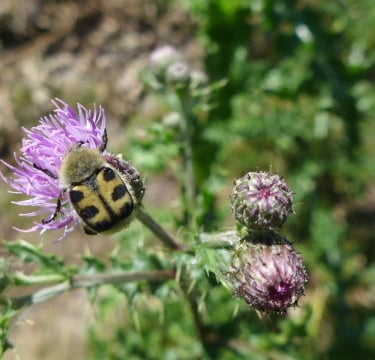
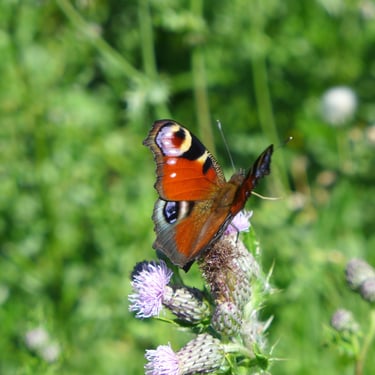
First area in the park to have grasshoppers, bats, and other wildlife;
+66% livestock carrying capacity;
The monitoring: